

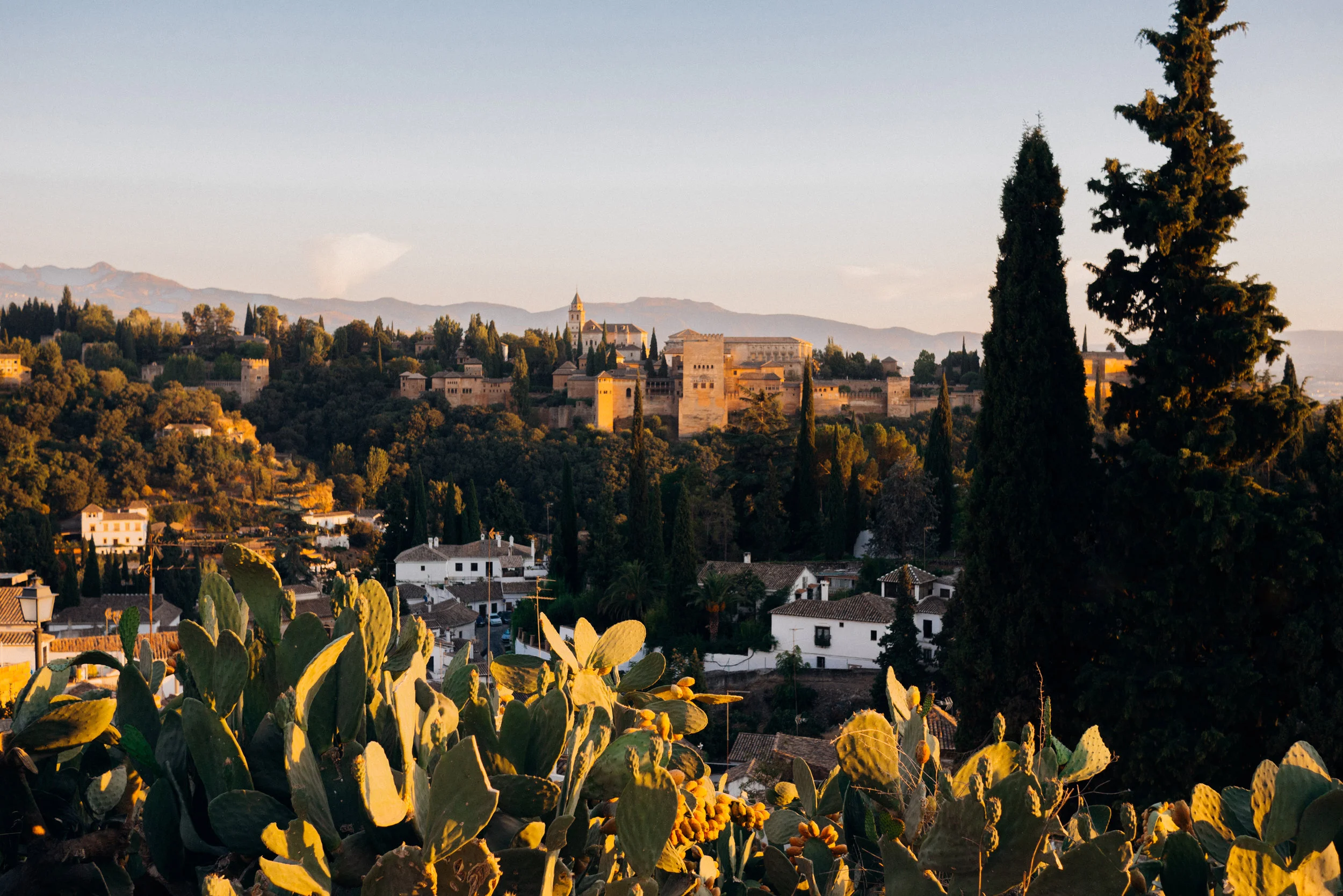
People from Granada are a little like children lucky enough to have a charming, clever, handsome and famous father. When we travel to the big city, our surname or accent gives us away and someone asks: “You wouldn't happen to be the son of...?” Once we confirm that we are indeed children of the city of the Alhambra, it is rare not to hear a stream of compliments and envy in return.
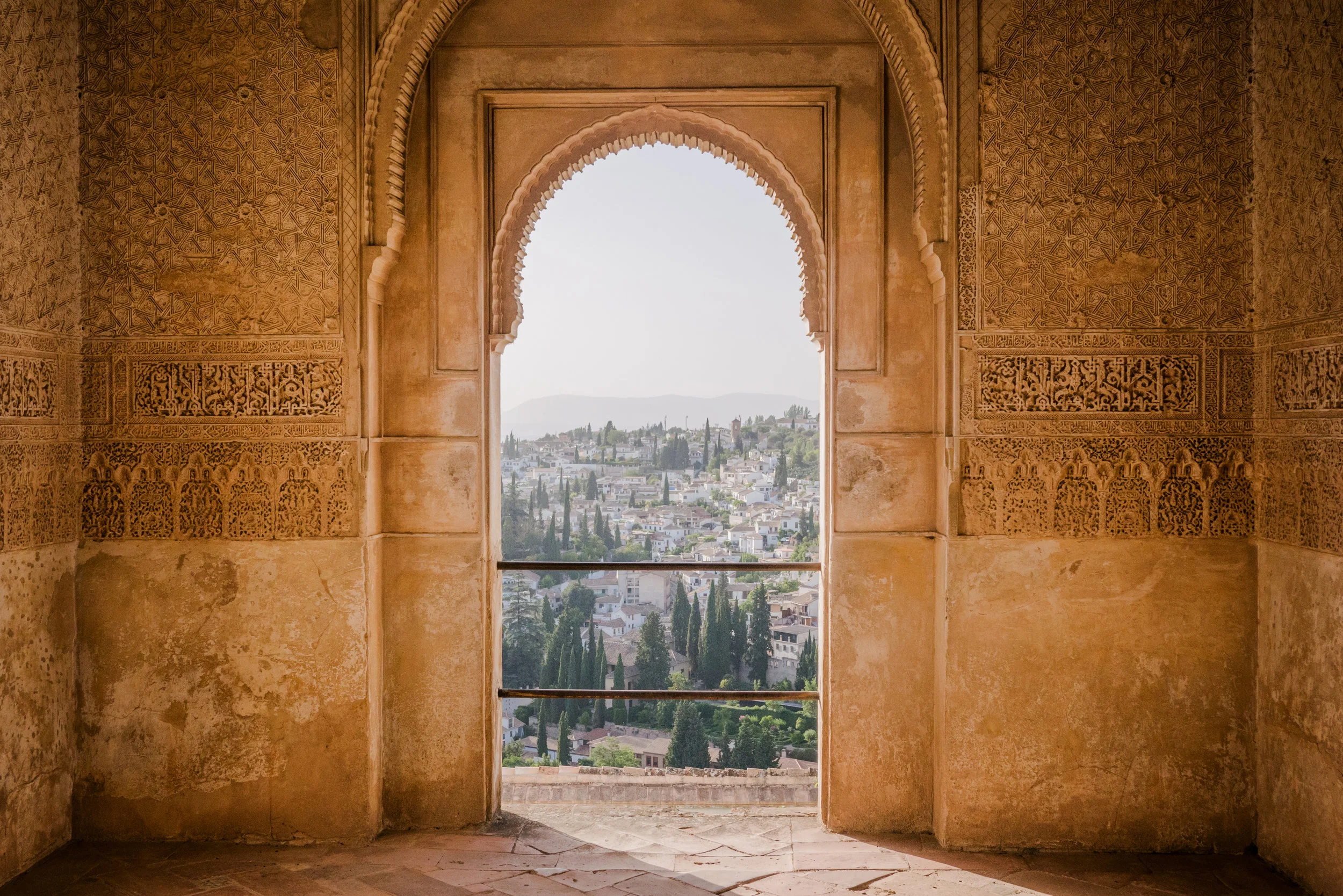
Walking through the gardens of the Generalife, amid that fusion of water and architecture and those equations rendered in stucco, I began to wonder how people from Granada came to be famous for the rough character known as malafollá.
It is very difficult to define malafollá, and risky to translate it as what the rest of Spain calls bad temper or ill humour. Outsiders might begin to understand it by reading Ladrón de Guevara's book La malafollá granaina. Another important local chronicler, Andrés Cárdenas, even took the discussion to New York with his essay “Dejaos de pollas, vayamos a pollas,” about Granada's extraordinary habit of using the word polla to express almost anything.
Meanwhile, as I walked through the Nasrid palace, I wondered whether malafollá might be a kind of Oedipus complex: a love-hate struggle, an insecurity directed at the city that raised us and attracts more than three million visitors from all over the world every year. You only have to look at the intense passion stirred among locals by what @mfgranaina publishes on Twitter or Facebook. The old line “Give him alms, woman, for in life there is no sorrow like being blind in Granada” is repeated day after day. People love the city madly, though not always their fellow citizens. Out of this comes the complaining spirit of fohhh and lavín compae: a blunt character that never seems able to empathise with the neighbour standing closest to us.
“A man from Granada enters a barber shop. The barber welcomes him warmly and talks about the weather, his dog, the newspaper's front page, the radio discussion, the neighbour who sings boleros and how badly he wants to go to the beach. At last he asks his customer, ‘So, how would you like me to cut your hair?’ The man replies: ‘In silence.’” — J. E. Cabrero's approximation of malafollá.
Google tells me that only one person across the whole internet, and twelve years ago at that, dared to say of Granada the cliché normally reserved for almost every ugly city: “The best thing about Granada is its people.”
But you cannot have everything. And as we say, nowhere compares to Graná, right, Frank Sinatra?